







The word turaska carries a deep historical and cultural significance that many people are not aware of today. It is not just a term from ancient texts, but a reflection of how early societies understood the world beyond their borders. Over time, turaska has shifted in meaning, adapting to new contexts while still holding traces of its original identity. Understanding turaska opens a window into early interactions between South Asia and Central Asia. It also reveals how language evolves alongside culture and politics.
the origin and basic meaning of turaska
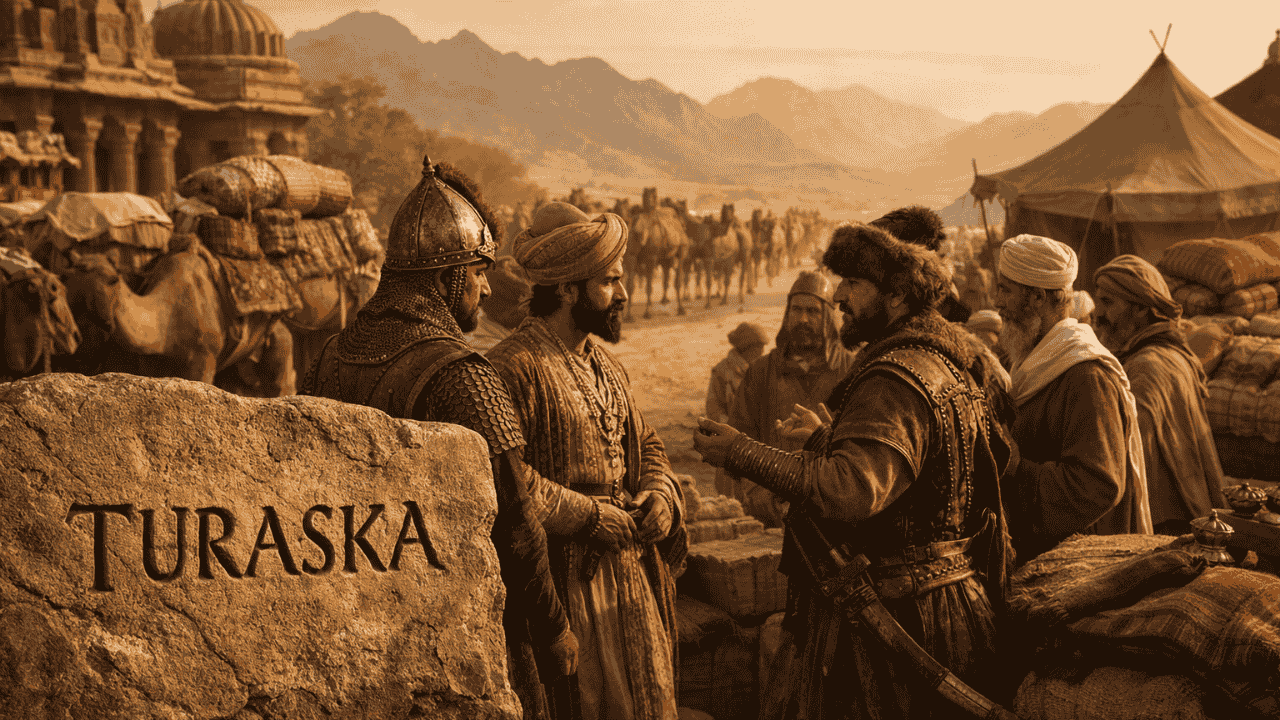
The term turaska originates from ancient Sanskrit literature, where it was used to describe foreign groups, particularly those coming from Central Asia. In many historical contexts, turaska referred to Turkic peoples who interacted with the Indian subcontinent through trade, migration, and sometimes conflict. The word was not limited to a single tribe or region but served as a broader label for outsiders from the northwest. This makes turaska more of a cultural and geographical identifier than a strictly ethnic term. Its usage reflects how ancient societies categorized unfamiliar groups.
In early texts, turaska often appeared in descriptions of political or military encounters. These references show that the people labeled as turaska were seen as distinct in both appearance and customs. Over time, the term became more standardized in its meaning, especially in scholarly and literary works. Despite its age, turaska still provides valuable insight into historical perceptions. It acts as a linguistic bridge connecting different civilizations.
turaska in ancient indian texts and literature
Ancient Indian texts frequently used turaska to describe foreign invaders or travelers from Central Asia. These mentions can be found in historical narratives, epics, and classical literature. The use of turaska in these texts highlights how people of that time understood cultural differences. It also shows that interactions with foreign groups were common and significant. The term was often used in a neutral or descriptive way rather than purely negative.
Writers used turaska to distinguish outsiders from local populations. This distinction was important in storytelling, especially when describing conflicts or alliances. In some cases, turaska represented strength and unfamiliar customs, adding depth to narratives. The presence of the word in literature suggests that these groups had a noticeable impact on society. It also indicates that cultural exchange was already happening at a large scale.
historical connections between turaska and central asia
The history of turaska is closely tied to Central Asia, a region known for its movement of people and ideas. Trade routes like the Silk Road played a major role in connecting different cultures. Through these routes, groups identified as turaska entered the Indian subcontinent. These interactions were not always peaceful, but they contributed to cultural exchange. Goods, languages, and traditions moved alongside people.
Turaska became a term that captured this ongoing interaction. It represented both the physical presence of foreign groups and their influence on local societies. Over time, these connections shaped political and cultural developments in the region. The term reflects a period when borders were less defined and movement was more fluid. This makes turaska an important concept in understanding early globalization.
linguistic evolution of turaska over time
Language changes as societies evolve, and turaska is a clear example of this process. The word gradually transformed in pronunciation and meaning across different regions. Variations like turushka appeared in texts, showing how language adapts over time. These changes did not erase the original meaning but expanded it. The evolution of turaska mirrors the movement of people and ideas.
In later periods, similar words began to appear in different languages with related meanings. These variations often referred to lands associated with Turkic people. The shift from turaska to more modern terms shows how language connects past and present. Even today, traces of the word can be found in certain regional languages. This continuity highlights the lasting impact of historical interactions.
connection between turaska and the concept of turkey
One of the most interesting aspects of turaska is its connection to the modern concept of Turkey. While the word itself is ancient, its roots are linked to the identity of Turkic people. Over time, these linguistic connections contributed to the naming of regions associated with these groups. The transformation from turaska to modern terms reflects centuries of cultural and political change. It also shows how names carry history within them.
This connection is not direct in a simple sense but developed gradually through linguistic evolution. As different cultures interacted, words were borrowed and adapted. Turaska played a role in shaping how people referred to certain regions and populations. The link between ancient and modern terminology demonstrates the continuity of cultural identity. It also highlights the importance of language in preserving history.
cultural significance of turaska in historical context
The cultural importance of turaska goes beyond its literal meaning. It represents how societies define themselves in relation to others. By labeling certain groups as turaska, ancient communities created a sense of identity and difference. This process is common in many cultures and time periods. It helps explain how people understand belonging and foreignness.
Turaska also reflects the complexity of cultural interaction. It was not just about conflict but also about exchange and adaptation. The presence of foreign groups introduced new ideas and practices. These influences became part of local cultures over time. In this way, turaska symbolizes both separation and connection.
why turaska still matters today
Even though turaska is an ancient term, it still holds relevance in modern discussions about history and language. Studying turaska helps us understand how early societies viewed the world. It also shows how language can preserve cultural memory. The word serves as a reminder that global interaction is not a new phenomenon. It has been shaping human history for centuries.
There are several reasons why turaska remains important:
- it provides insight into ancient cultural relationships
- it helps trace the movement of people across regions
- it shows how language evolves over time
- it connects historical identity with modern terminology
By examining turaska, we gain a clearer picture of how past and present are linked. It encourages a deeper understanding of cultural diversity. It also highlights the role of language in shaping human experience.
key takeaways about turaska
To better understand the concept, it helps to summarize the main points about turaska. The term carries historical, linguistic, and cultural significance. It is more than just a word found in old texts. It represents a broader story of interaction and identity.
Here are the main takeaways:
- turaska was used in ancient Sanskrit texts to describe Central Asian groups
- it is closely linked to Turkic people and their historical presence
- the term evolved into different forms across languages
- it reflects early cultural exchange and globalization
- its influence can still be seen in modern language and identity
These points show why turaska is worth studying. It offers a unique perspective on history and human connection.
conclusion
The story of turaska is a story of movement, interaction, and transformation. From its origins in ancient Sanskrit to its influence on modern language, turaska has traveled across time and space. It reflects how people once viewed outsiders and how those views shaped cultural identity. The term also highlights the importance of language in preserving history. By understanding turaska, we gain a deeper appreciation for the connections between different civilizations.
faqs
what does turaska mean?
turaska is an ancient term used in Sanskrit texts to describe foreign groups, especially those from Central Asia and Turkic regions.
where did the word turaska come from?
the word turaska originated in ancient Indian literature and was used to identify people coming from the northwest regions.
is turaska related to turkey?
yes, turaska is linguistically connected to the identity of Turkic people, which later influenced the naming of regions like Turkey.
why is turaska important in history?
turaska helps explain early cultural interactions, trade connections, and how ancient societies viewed outsiders.
is turaska still used today?
while not commonly used in everyday language, turaska still appears in historical studies and some regional linguistic contexts.