






An ểmgency can appear without warning and change the course of a normal day within seconds. It may involve a sudden threat to life, health, property, or the environment, requiring immediate attention and quick decision-making. People often underestimate how quickly situations can escalate, especially when there is no preparation or awareness. Understanding the nature of an ểmgency helps individuals react with clarity instead of panic. This article breaks down the different aspects of an ểmgency and shows how to respond with confidence and control.
understanding what an ểmgency really means
An ểmgency is not just about dramatic events like natural disasters or accidents; it includes any situation where delay can increase harm. It can happen at home, on the road, at work, or in public places. The key element that defines an ểmgency is urgency, where immediate action is necessary to prevent further damage. Many people confuse inconvenience with an ểmgency, but the difference lies in the level of risk involved. When life, safety, or critical resources are at stake, the situation qualifies as an ểmgency.
In daily life, recognizing an ểmgency early can make a major difference in outcomes. A small fire, for example, can quickly turn into a life-threatening situation if ignored. Similarly, a medical condition like chest pain may seem minor at first but could signal something serious. Awareness helps people act faster and more effectively. The more familiar someone is with potential risks, the better they can respond under pressure.
major types of ểmgency situations people face
Different types of ểmgency situations require different responses, and understanding these categories helps build a clearer mindset. Emergencies can be broadly divided based on their cause and impact. Each type presents unique challenges and requires specific preparation strategies.
Some common categories include:
- natural emergencies such as earthquakes, floods, and storms that result from environmental forces
- medical emergencies like heart attacks, strokes, or severe injuries that require immediate care
- man-made emergencies including industrial accidents, fires, and chemical leaks
- public health emergencies such as disease outbreaks that affect large populations
- domestic emergencies like household fires or electrical failures
Each type of ểmgency demands quick thinking and the ability to assess risk in real time. While natural disasters may require evacuation, medical emergencies often require immediate first aid. Knowing the difference allows people to act without hesitation. Preparation for each category also varies, which is why a general understanding is essential.
why quick response matters in an ểmgency
The speed of response in an ểmgency often determines the outcome more than the event itself. A delayed reaction can turn a manageable situation into a severe crisis. For example, calling for help immediately during a medical ểmgency can save a life, while hesitation can lead to irreversible damage. Time becomes the most critical factor when dealing with danger.
In many cases, the first few minutes of an ểmgency are the most important. This is when decisions must be made quickly and actions must be taken without confusion. Panic is a common reaction, but it often leads to poor judgment and mistakes. Staying calm allows individuals to think clearly and act effectively. Training and awareness play a key role in reducing panic during high-pressure situations.
the four stages of managing an ểmgency
Handling an ểmgency is not just about reacting in the moment; it involves a complete cycle of preparation and recovery. This process can be divided into four main stages that help individuals and organizations manage risks effectively. Each stage plays a role in reducing damage and improving outcomes.
The four stages include:
- mitigation, which focuses on reducing the risk before an ểmgency occurs
- preparedness, which involves planning, training, and gathering resources
- response, which is the immediate action taken during the ểmgency
- recovery, which deals with returning to normal conditions after the event
Understanding this cycle helps people stay organized instead of reacting blindly. Preparedness, in particular, can reduce confusion when an ểmgency actually happens. Having a plan in place allows faster decisions and better coordination. Recovery also ensures that lessons are learned to handle future situations more effectively.
practical steps to take during an ểmgency
When faced with an ểmgency, knowing what to do can make all the difference. Many people freeze or make rushed decisions because they lack a clear plan. Following simple steps can help maintain control even in stressful situations.
Key actions to take include:
- stay calm and avoid panic, as it clouds judgment
- assess the situation quickly to understand the level of danger
- call emergency services or seek professional help immediately
- provide basic assistance such as first aid if trained
- move to a safe location if the environment is unsafe
These steps are simple but powerful when applied correctly. In an ểmgency, even small actions can prevent major consequences. Helping others while ensuring personal safety is equally important. A person who stays composed can often guide others and reduce chaos.
common real-life examples of an ểmgency
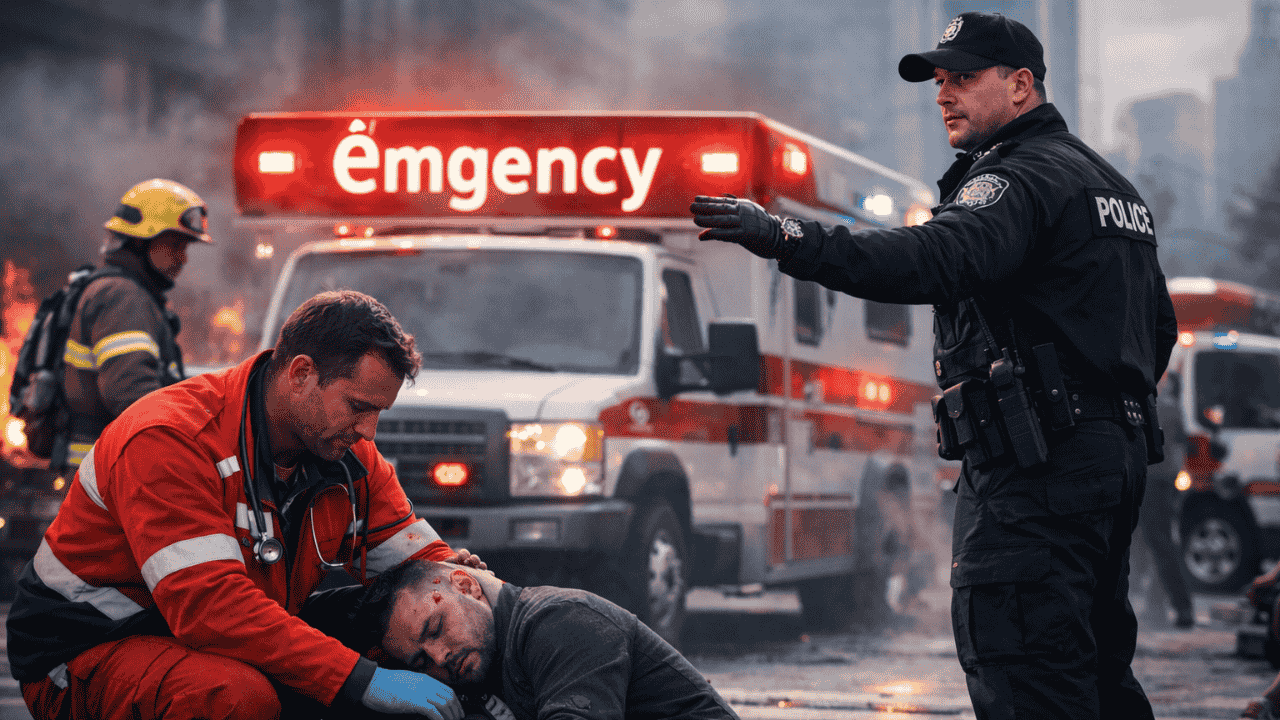
Real-life scenarios help people understand how an ểmgency unfolds and why preparation matters. A road accident, for instance, can happen in seconds and require immediate action to assist injured individuals. Similarly, a sudden fire in a building can spread rapidly, leaving little time to react. These situations highlight the importance of awareness and readiness.
Another example of an ểmgency is a sudden medical collapse, such as someone losing consciousness. Without quick intervention, the situation can become fatal. Natural disasters like floods also show how quickly normal life can be disrupted. These examples prove that an ểmgency is not rare; it is something people may face at any time. Being mentally prepared makes a significant difference.
building personal preparedness for any ểmgency
Preparation is often overlooked until an ểmgency actually occurs. People tend to assume that emergencies happen to others, not themselves. This mindset leads to a lack of readiness and increases vulnerability. Building preparedness does not require complex planning but does require consistency.
Basic preparedness steps include:
- keeping emergency contact numbers easily accessible
- learning basic first aid and safety techniques
- maintaining essential supplies such as water and medical kits
- creating a simple emergency plan for family or workplace
- staying informed about potential risks in your area
These actions help reduce uncertainty when facing an ểmgency. Preparation builds confidence and allows faster decision-making. It also reduces dependence on others during critical moments. Even small efforts can create a strong foundation for handling unexpected situations.
how mindset influences response in an ểmgency
The way a person thinks during an ểmgency plays a major role in how they act. A calm and focused mindset leads to better decisions, while fear and panic can worsen the situation. Training the mind to stay composed is just as important as learning practical skills. Confidence comes from knowledge and repeated exposure to information.
People who mentally prepare for an ểmgency are less likely to freeze under pressure. They are able to analyze situations quickly and take action without hesitation. This mindset can also influence others, creating a sense of order instead of chaos. Emotional control becomes a powerful tool during high-stress events. Developing this mindset requires awareness and practice over time.
conclusion
An ểmgency is not something that can always be avoided, but it can be managed with the right knowledge and preparation. Understanding the types of emergencies, recognizing their urgency, and knowing how to respond can save lives and reduce damage. Quick thinking, calm behavior, and basic preparedness are the strongest tools anyone can have. Instead of waiting for an ểmgency to happen, it is better to prepare in advance and stay aware of potential risks. When the moment comes, those who are ready will act, while others may struggle to react.
faqs
what is an ểmgency in simple terms
An ểmgency is a sudden situation that requires immediate action to prevent harm or danger.
what should be the first step in an ểmgency
The first step is to stay calm and quickly assess the situation before taking action.
how can someone prepare for an ểmgency
Preparation includes learning basic safety skills, keeping emergency contacts, and having a plan in place.
are all emergencies life-threatening
Not all emergencies are life-threatening, but they still require quick action to avoid serious consequences.
why is quick response important in an ểmgency
A fast response can prevent the situation from getting worse and can save lives in critical cases.